
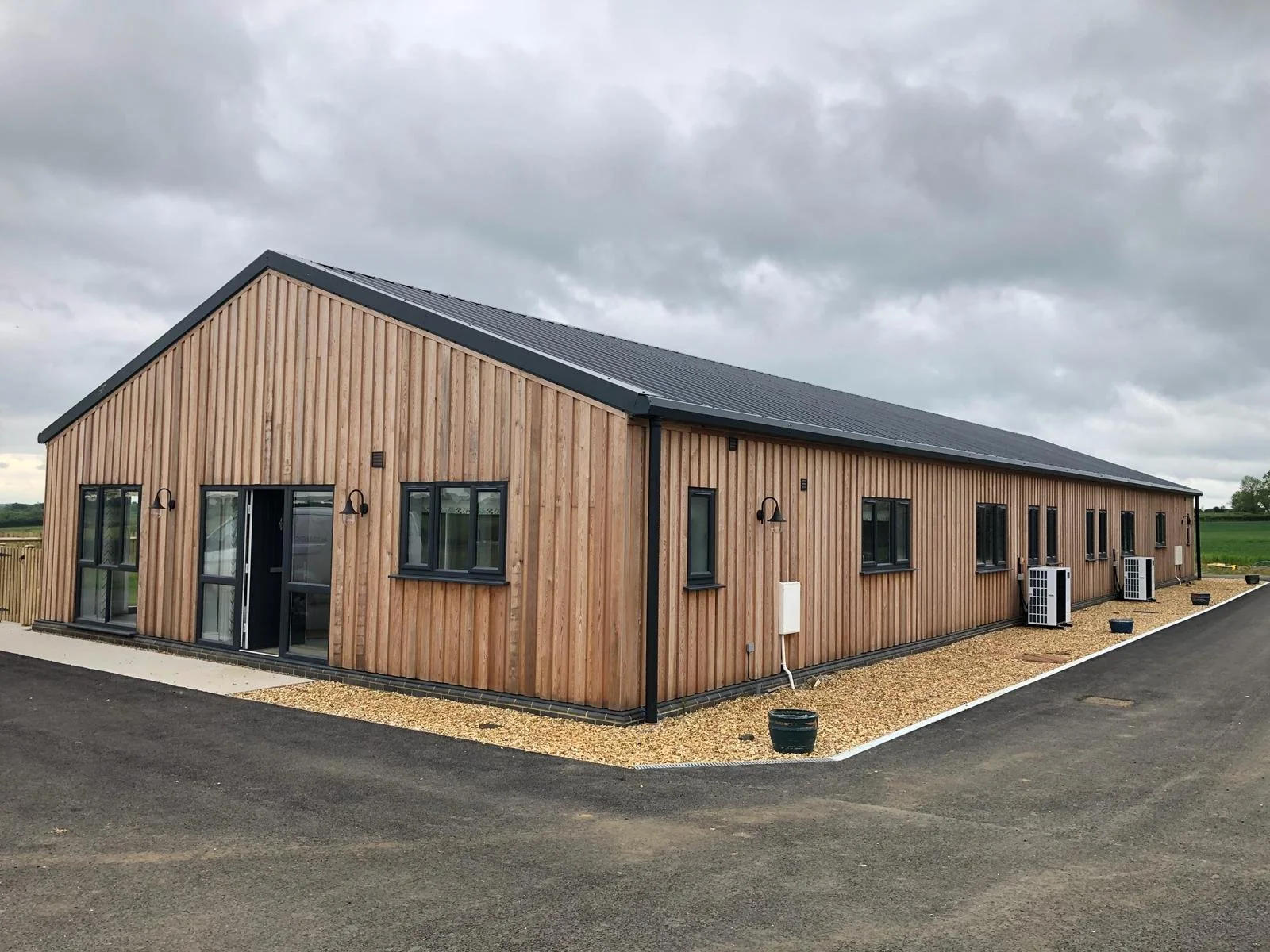

air source heat pumps
Air Source Heat Pumps from Alto Energy
Introducing Air Source Heat Pumps designed and manufactured with incredible technology.
Air Source Heat Pumps are becoming more efficient, and in some cases their seasonal efficiencies can be even greater than Ground Source Heat Pumps.
We are a Business Solutions Partner with Mitsubishi Electric supplying the Mitsubishi Ecodan Air Source Heat Pump with a 5 year warranty as standard. We also supply the Samsung GEN6 Air Source Heat Pumps, which have proven very efficient, reliable and popular. Our staff have extensive design expertise and experience working with and specifying these heat pumps.
No matter what your project, the experts here at Alto Energy will ensure that the right heat pump is specified to you.
What Is An Air Source Heat Pump?
Air Source Heat Pumps are an efficient, alternative form of heating. The Air Source Heat Pump extracts renewable, solar energy from the air to produce sufficient heat to comfortably cater for all of your heating and hot water requirements.
Air Source Heat Pumps work by moving heat stored in the air into the building, unlike traditional fossil fuel and biomass systems which create heat through the burning of a fuel. This means that Air Source Heat Pumps don't have to work as hard to produce heat, and as a consequence the production of this heat is far more efficient than traditional methods. Our range of Air Source Heat Pumps typically have a coefficient of performance of 3.5, which means that for every 1kW of electricity used, 3.5kW of useful heat energy can be produced.
Air Source Heat Pumps can work with any form of distribution system, however the best performance is achieved when it is partnered with Underfloor Heating which enables the lowest possible flow temperatures.
At Alto Energy, we have the design expertise to provide you the most efficient Air Source Heat Pump for your project, delivered through our trusted network of Partners.